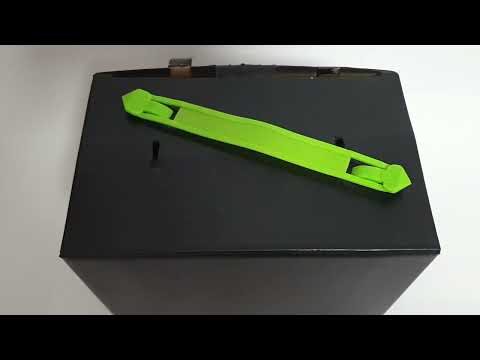
Durable Plastic Box Handles for Easy Carrying Every Day
A plastic box handle is your sturdy grip on anything you need to haul. It works by distributing the load across a reinforced anchor point, making heavy lifts feel balanced and secure. Simply pull it up to carry, fold it down to stack—it’s the simple, durable link between you and your stuff.
Ergonomic Grips and Carrying Comfort for Storage Containers
The plastic box handle, when designed with an ergonomic grip, transforms a heavy carry into a manageable task. A contoured, rubberized surface on the handle disperses pressure across the palm, preventing the sharp edges of a standard plastic handle from digging into your skin during a long haul from the garage to the yard. This thoughtful curvature aligns with the natural hollow of your hand, reducing fatigue even when the container is packed with dense tools or holiday decorations. The comfort comes not just from padding but from a textured, non-slip finish that maintains control in damp or dusty conditions. You realize the true value of this grip when lowering a full container to the ground, as the leverage lets you bend your knees without the handle twisting in your grasp. Ultimately, a well-engineered handle means you focus on the move, not the discomfort.

Why Handle Design Matters for Everyday Transport
Lifting a loaded plastic box by a poorly designed handle is a fast track to a strained wrist or a dropped load. For everyday transport, handle design matters because it directly controls how your weight shifts and how stable the box feels in your hand. A wide, smoothly contoured grip spreads pressure across your palm, preventing that digging-in pain on longer walks from the car. Rounded edges eliminate sharp pressure points, letting you carry the container with a relaxed, natural grip instead of a desperate pinch. Without this thoughtful shaping, what should be a simple carry becomes an awkward, fatiguing chore, especially when navigating stairs or crowded doorways.
Handle design determines if a plastic box is a comfortable tool for daily trips or a clumsy burden.
Common Materials Used in Container Lifting Elements
In container lifting elements for plastic box handles, polypropylene is common due to its resilience and low moisture absorption, offering a balance of rigidity and flexibility for repeated use. Steel or aluminum inserts are often embedded at stress points to prevent deformation under heavy loads. Some designs incorporate thermoplastic elastomers overmolded onto polypropylene cores to improve grip without sacrificing structural integrity. Nylon components appear in high-duty applications where enhanced tensile strength resists cracking from impact, though they increase cost. Rubber coatings are occasionally applied to metal lifting rings to dampen vibration and reduce hand slip, but this adds weight. Material selection directly governs load capacity, surface friction, and long-term durability of the handle assembly.
Evaluating Grip Texture and Slip Resistance
When evaluating a plastic box handle’s grip texture, run your fingers across the surface to feel for patterns like raised diamonds or crosshatching. These tactile features boost friction, preventing the handle from sliding in wet or oily hands. For slip resistance, test the handle while carrying a fully loaded container; a non-slip rubberized overmold outperforms smooth plastic here. If the texture feels too aggressive, it may cause discomfort over time. Grip texture evaluation directly determines how securely you hold the box during repetitive lifting, reducing accidental drops. Always check if the pattern remains effective when the handle is damp, as moisture drastically changes slip behavior.
| Texture Type | Slip Resistance | Best Use Case |
|---|---|---|
| Smooth plastic | Low when wet | Light, dry loads |
| Raised stippling | High | Medium to heavy loads |
| Rubber overmold | Very high | Oily or wet environments |
Types of Attachments Secured to Tote Boxes
Tucked into the corner of a bustling warehouse, a tote box reveals its rugged versatility through the attachments secured to its plastic box handle. A simple metal snap hook, clipped directly to the handle’s reinforced loop, transforms the box into a tote box handle attachment for a shoulder strap, freeing hands for scanning labels. Nearby, a worker threads a coiled lanyard through the center hole of the handle, locking it with a clevis pin to keep a heavy wrench set from rattling against the plastic. On another box, a magnetic strip is bolted onto the handle’s flat side, holding a metal parts bin in place during quick travel. These attachments turn the handle from a basic grip into a functional docking point for tags, tools, or straps.

Pivoting vs. Fixed Carry Points: A Comparison
When comparing pivoting vs. fixed carry points on plastic box handles, the key distinction is adaptability. Fixed carry points lock the handle in a rigid position, offering stable, predictable lifting for static loads. Pivoting carry points, however, allow the handle to swing freely, adjusting to the angle of the user’s pull—this reduces wrist strain during tilting or transport. A fixed mount excels in vertical stacking where handle clearance is constant, while pivoting designs prevent the handle from snapping against the box side under dynamic movement. The choice hinges on whether you prioritize rigid control or ergonomic flexibility for your tote box’s typical handling scenario.
| Aspect | Fixed Carry Point | Pivoting Carry Point |
|---|---|---|
| Handle motion | Rigid, no swing | Free 180° rotation |
| Load stability | High | Moderate (adjusts to angle) |
| User ergonomics | Limited to a set hand path | Reduces wrist torque |
| Best use case | Vertical stacking | Tilting or angled pulls |
Retractable and Folding Handle Mechanisms
Retractable and folding handle mechanisms are smart space-savers for plastic boxes. The handle tucks flush into the box’s side or lid when not in use, keeping storage neat and stackable. For transport, you simply flip or pull it out. This design is ideal for tight shelving or shipping, as nothing protrudes to snag. Many use a spring-loaded locking latch to hold the handle securely in place during use. Q: Are these handles durable for heavy loads? A: Yes, when made from reinforced nylon or steel, they reliably support the box’s rated weight without breaking. This mechanism keeps your tote collapsible and easy to manage, whether in a warehouse or at home.
Reinforced Mounts for Heavy-Duty Loads
For high-capacity applications, reinforced mounts for heavy-duty loads integrate steel backing plates or thickened polymer brackets directly into the tote box structure. These mounts distribute stress from the handle across a wider surface area, preventing plastic fatigue or pull-out failures. The installation sequence involves:
- Aligning the mount with pre-molded recesses on the box wall
- Securing with high-tensile bolts that pass through the reinforced insert
- Tightening to a specified torque to compress the mount against the load-bearing plate
Handle screws should never penetrate the mount itself, as this creates a stress concentration point that can shear under maximum rated weight. This engineering approach ensures the attachment point remains rigid and fatigue-resistant during repetitive lifting of dense contents.
Durability Factors and Long-Term Performance
The handle’s durability factors hinge on material creep and stress concentration at the attachment points, where repeated lifting cycles can cause micro-fractures. In a warehouse, a steady worker carries the plastic box by its handle a dozen times per shift, and after months, UV exposure and temperature swings degrade the polymer’s elasticity.
A handle that feels solid for the first hundred lifts may snap without warning after a thousand if it lacks glass-fiber reinforcement or a steel core insert.
The true long-term performance reveals itself in the field—not in a lab test—where daily torque from off-angle pulls accelerates fatigue, and a handle that fails mid-lift spills the load, ending its service life abruptly.
Impact Resistance in Extreme Temperatures
For plastic box handles, impact resistance in extreme temperatures determines whether the handle shatters or survives a drop. In freezing cold, standard polypropylene becomes brittle, cracking on sharp impact; high-impact ABS or reinforced nylon maintains structural integrity. Conversely, scorching heat can soften handles, making them deform under sudden load. A handle with extreme temperature impact resilience uses specialized polymer blends to stay tough from -20°F to 140°F. How does extreme heat affect impact resistance? At high temperatures, plastic molecules slide past each other under stress, so handles absorb shock by flexing rather than snapping—provided the material is formulated for thermal stability.
Corrosion and UV Degradation Prevention
To ensure long-term performance, plastic box handles must resist corrosion and UV degradation. Metal inserts or fasteners receive a protective coating or are made from stainless steel to prevent corrosion, avoiding rust stains that weaken the handle assembly. For UV resistance, the handle’s polymer is blended with UV stabilizers or carbon black, which absorbs and dissipates harmful solar radiation. This prevents surface chalking, embrittlement, and color fading. A clear sequence for integrating these protections includes:
- Selecting a UV-stabilized resin for the handle’s base material.
- Applying a corrosion-resistant finish to any embedded metal components.
- Assembling the handle to avoid exposed, uncoated metal edges.
Weight Capacity and Stress Point Analysis
Weight capacity in a plastic box handle hinges on identifying and reinforcing stress points where failure is most likely. Stress point analysis reveals that the junctures where the handle meets the box body bear the brunt of the load, especially during lifting with unevenly packed contents. To maximize safe capacity, engineers focus on ribbing and gusseting these high-stress zones, which distribute tension and prevent crack propagation. A handle rated for 50 pounds may fail at 45 if its mounting holes are poorly placed, turning a simple lift into a structural gamble. Understanding these fracture thresholds lets you choose a handle that won’t snap under real-world use.
Customization Options for Branding and Utility
Customizing a plastic box handle lets you merge brand visibility with real-world grip. You can imprint your logo or company name directly onto the handle’s surface using pad printing, hot stamping, or a permanent in-mold label for a sleek, seamless finish. For utility, choose ergonomic contours—like a textured finger groove or a soft-touch rubber overlay—that make carrying heavy loads more comfortable. Color-matching the handle to your brand palette reinforces identity at a glance. Integrating a hidden compartment in the handle for a business card handle for box or small tool adds unexpected function without bulky design. A subtle translucent tint can signal product quality while still showing off the handle’s internal structure. These adjustments turn a simple grab point into a practical, branded asset.
Color-Coordinated Grips for Inventory Systems
Color-coordinated grips transform the plastic box handle into a direct inventory sorting tool. By assigning specific grip colors to designated product categories, warehouse staff can instantly identify bins without reading labels, accelerating pick-and-pack processes. This system reduces mis-shipments and training time for temporary workers. For instance, red grips for fragile items and blue for electronics create an immediate visual hierarchy. The durable plastic material ensures the color remains fade-resistant under warehouse lighting. Color-coded handle grips eliminate guesswork, turning every carry into a confirmation of bin contents.
Q: How do color-coordinated grips prevent inventory errors?
By assigning a unique grip color to each inventory category, workers automatically associate the visual cue with the correct product group, reducing pick-time errors and cross-contamination of stock.
Molded-In Logos and Texture Variations
Molded-in logos make your brand part of the handle itself, so it never peels or fades. You can choose a raised or recessed logo for high contrast, or go with a subtle debossed mark for a clean look. Texture variations work the same way—adding a diamond or stipple pattern boosts grip, or a smooth section creates a comfortable thumb rest. This is what makes customizable grip textures so useful. For a clear process:
- Select your logo style (raised, recessed, or debossed).
- Choose texture placement (full handle, grip zone, or blank areas).
- Combine logo and texture to match your brand’s feel.
Everything is locked into the plastic during molding, so it’s durable from day one.
Interchangeable Handle Components
Interchangeable handle components let you swap out grips or brackets on your plastic box handle without replacing the entire unit. This means you can switch from a modular rubber grip for comfort on heavy loads to a sleek metal bracket for a premium look, all using the same base. Fitting different lengths or colors of interchangeable handle inserts also allows quick customization for branding, like matching a company’s palette for a client order. Simply unscrew the old part, clip in the new one, and your box’s utility shifts instantly.
Safety Features and User-Friendly Innovations
The design of a modern plastic box handle prioritizes safety through integrated features like a textured, ergonomic grip that prevents slipping, even with wet or gloved hands. User-friendly innovations include a soft-touch overmold that reduces pressure points and finger fatigue during repeated lifting. Many handles now incorporate a finger guard or a recessed channel that provides clearance, protecting knuckles from pinch points against the box side. Furthermore, structural reinforcements at the mounting points prevent sudden breakage under load. These elements collectively ensure that the handle itself is a functional safety device, promoting stable, controlled movement without compromising the user’s comfort or hand integrity.
Padding Solutions for Prolonged Carrying
For prolonged carrying, integrated padding solutions transform a standard plastic box handle into an ergonomic asset. High-density foam sleeves or molded elastomer grips distribute weight across the palm, reducing pressure points and preventing hand fatigue. Ventilation channels within the padding enhance breathability, minimizing sweat buildup during extended use. These ergonomic grip enhancements ensure stable, slip-resistant handling even with heavy loads. By absorbing vibration and shock, padded handles protect against repetitive strain injuries, making regular transport safer and more comfortable.
Integrated padding in plastic box handles reduces hand fatigue, improves grip stability, and prevents strain injuries during prolonged carrying.
Locking Mechanisms to Prevent Accidental Detachment
Locking mechanisms for plastic box handles prevent accidental detachment by securing the handle to the box base. Many designs use spring-loaded latches or bayonet-style locks that require a deliberate twist or press to release. Recessed side buttons or rotating collars add a secondary barrier, ensuring handles remain fixed during transport. A positive-click feedback confirms engagement. Integrated latch redundancy minimizes failure points, while reinforced pivot pins resist wear from repeated locking. These features are critical for heavy loads.
Anti-Pinch Designs for Finger Protection
Anti-pinch designs for plastic box handles focus on eliminating finger entrapment during use. The handle’s profile incorporates a finger-gap prevention geometry, where the internal clearance between the handle body and the box lid is reduced to less than 8 mm, too narrow for adult digits to enter. A sequential logic governs the ergonomic movement:
- The handle is molded with a curved underside that deflects skin away from the pivot point.
- Integrated bumpers at the hinge stop the handle flush against the box, closing the gap before the lid seats.
- Recessed grip channels guide the fingers into a safe, non-compressing position.
This layered approach assumes users will not force their fingers into a closing gap, yet it still prioritizes passive protection.
Applications Across Industries and Environments
In warehouses and factories, plastic box handles for industrial applications make shifting heavy inventory a breeze, with ergonomic grips reducing strain during repetitive lifts. From cold storage units to outdoor construction sites, these handles resist moisture, rust, and UV damage, ensuring reliable performance in harsh environments. In retail and logistics, sturdy handles on tote boxes simplify stocking shelves and processing shipments. Kitchens and hospitals favor them for easy-to-clean, non-slip handling of ingredient bins or medical supply containers. Even at home, a plastic box handle on a storage crate makes moving seasonal gear or kids’ toys much simpler, adapting seamlessly from garage to garden.
Industrial Toolboxes and Workshop Storage
In industrial toolboxes and workshop storage, plastic box handles are specified for their resilience under heavy loads and exposure to oils or solvents. Heavy-duty workshop storage often uses reinforced handles on modular units for mobility between workstations. For a clear sequence:
- Select a high-impact polypropylene handle to withstand constant daily use.
- Ensure the handle bracket is bolted, not clipped, to the box for secure lifting.
- Verify the handle’s grip length allows clearance for gloved hands in tight shelving.
A steel-core insert within the plastic handle prevents catastrophic breakage when the toolbox is fully loaded with tools.
Food-Grade and Medical Container Requirements
For these critical sectors, the plastic box handle must be engineered to prevent bacterial harborage, featuring smooth, crevice-free surfaces and seamless integration with the container body. Food-grade and medical container requirements mandate handles made from virgin, non-leaching materials that withstand repeated autoclaving or chemical sanitization without degrading. The handle’s design must allow complete drainage and drying to eliminate moisture traps, ensuring compliance with HACCP or ISO cleanliness standards. A robust, non-porous handle construction is non-negotiable, providing users with a reliable, contamination-free grip that preserves the sterility and purity of sensitive contents during transport and storage.
Outdoor and Transport Case Considerations
For outdoor and transport applications, a plastic box handle must withstand continuous exposure to UV radiation and temperature extremes without becoming brittle or degrading. Handles on transit cases require robust mounting points to survive impact and vibration during forklift loading or vehicle travel. A recessed or folding design prevents snagging on cargo straps and equipment. The handle’s grip should remain comfortable even in rain or with gloves, while surface texturing enhances control when lifting heavy, shifting loads.
Question: How does the handle affect case stability during transport?
Answer: A rigid, centrally mounted plastic box handle keeps the case balanced, reducing swing and preventing contents from shifting during cornering or sudden stops.
Installation Methods and Replacement Guidance
You grip the worn plastic box handle, and it snaps. For replacement, first pry off any decorative cap to expose the mounting screws beneath. Use a Phillips head to remove the old handle, then align the new plastic handle’s holes with the box’s threaded inserts. Insert the screws and tighten them by hand to avoid cracking the plastic. Always test the handle by gently pulling before loading the box with weight. For flush-mounted handles, you may need to cut a tight slot in the box lid, then press the handle’s base into the groove until it clicks into place. This prevents wobble during daily use on toolboxes or storage crates.
Snap-Fit vs. Screw-Fixed Attachment Styles
When picking between snap-fit and screw-fixed attachment styles for your plastic box handle, think about how often you need to swap handles. Snap-fit handles click into place without tools, making them perfect for quick swaps or temporary setups where speed matters more than brute strength. Screw-fixed handles, however, offer rock-solid security with screws that won’t budge under heavy loads. If you anticipate frequent handle changes, snap-fit is your friend; for permanent, load-bearing installations, go with screw-fixed attachment styles. Both work great, but your replacement needs dictate which wins out.
Tools Required for Retrofit or Upgrades
For swapping out a plastic box handle retrofit, you’ll usually need a basic toolkit. A screwdriver (Phillips or flathead) is essential for existing screws. A drill with a small pilot bit helps if new screw holes are needed, while a measuring tape ensures precise alignment. You might also grab a pencil for marking spots and a file to smooth any rough edges on the plastic.
- Screwdriver set for removing and installing handle screws
- Power drill with a 1/8-inch bit for pilot holes in plastic
- Measuring tape to center the handle correctly
- Fine file to deburr plastic after drilling

Troubleshooting Loose or Broken Carry Supports
When a plastic box handle’s carry support loosens or breaks, first inspect the mounting boss for cracks or stripped threads. Reinforce weakened plastic handle supports by applying a two-part epoxy to hairline fractures before re-tightening hardware. If the support is fully detached, replace it with a heavy-duty metal bracket that matches the original hole spacing. Ensure all fasteners are torqued to the manufacturer’s specification, as overtightening can induce new stress fractures.
- Use a thread-locking compound on screws securing the carry support to prevent vibration-induced loosening.
- Replace any support showing visible deformation, as plastic fatigue will accelerate future failure.
- Drill out stripped bosses and install threaded inserts for a permanent repair.
- Apply a plastic primer before re-bonding broken supports to improve adhesive grip.
What Is a Plastic Box Handle and Why Does It Matter?